
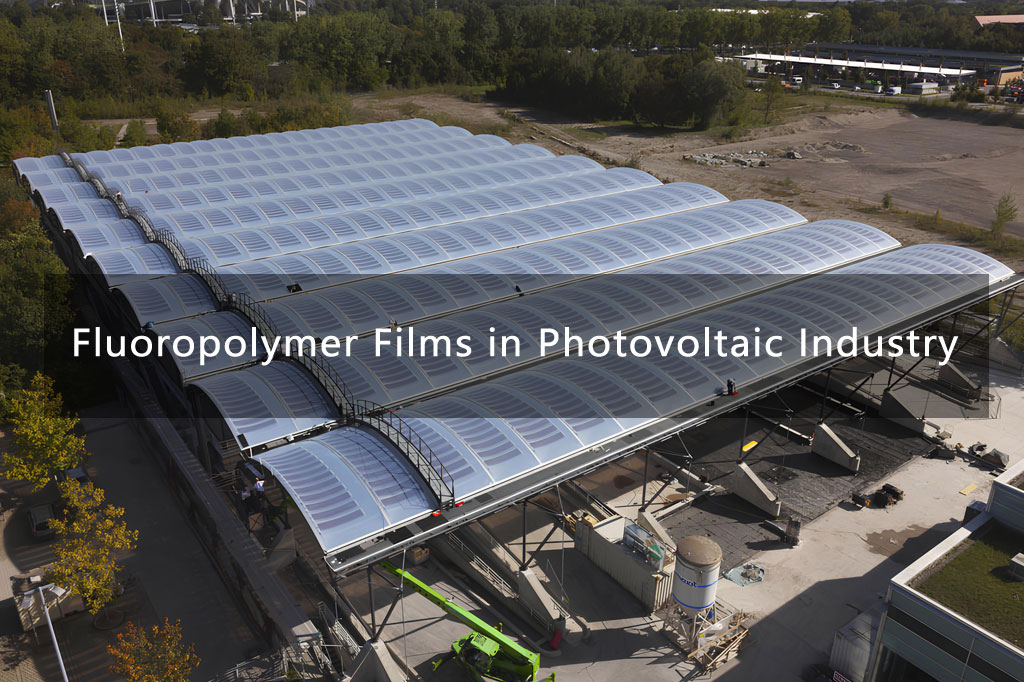
The rapid growth of the photovoltaic (PV) industry has driven continuous innovation in materials that enhance solar module performance, durability, and cost efficiency.
Among these materials, fluoropolymer films have emerged as critical components due to their exceptional chemical stability, weather resistance, and long service life.
From backsheets to advanced lightweight frontsheet solutions, fluoropolymer films play a vital role in ensuring that solar panels can operate reliably for 25–30 years or more in harsh outdoor environments.
1. What Are Fluoropolymer Films?
Fluoropolymers are a class of polymers characterized by strong carbon–fluorine bonds, which provide outstanding resistance to heat, chemicals, and environmental degradation.
Common fluoropolymer films used in photovoltaics include:
- PVF (Polyvinyl Fluoride) – widely known under the brand Tedlar®
- PVDF (Polyvinylidene Fluoride) – used in high-performance backsheets
- ETFE (Ethylene Tetrafluoroethylene) – used in lightweight frontsheet applications
- FEP and PFA – specialty fluoropolymers for niche applications
These materials are typically processed into thin, flexible films, making them ideal for lamination within PV module structures.
2. Why Fluoropolymer Films Are Essential in PV Modules
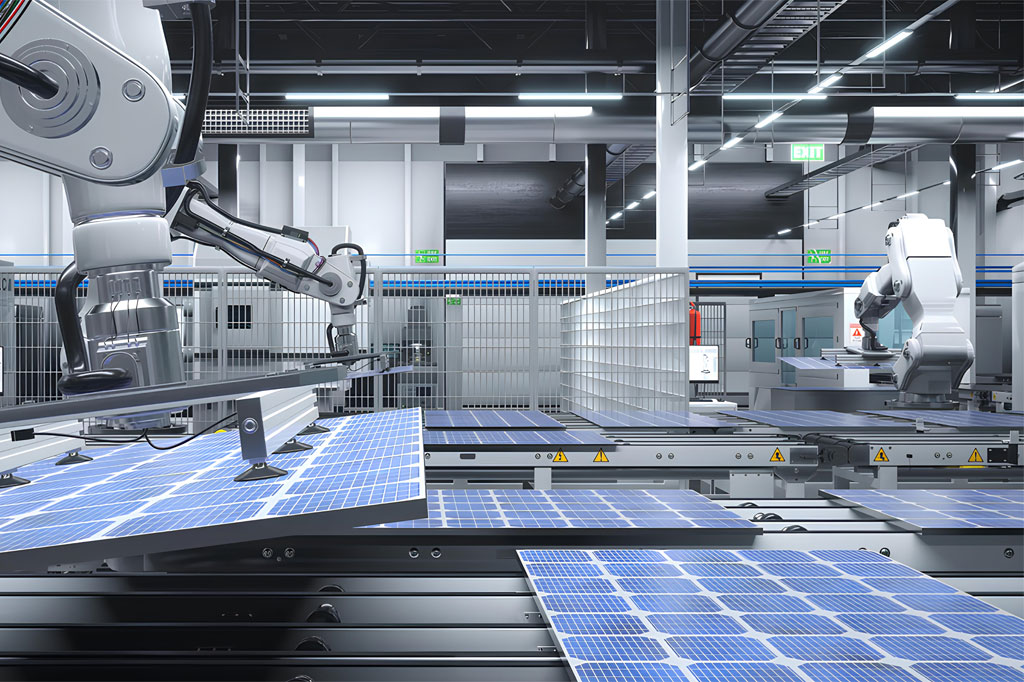
Photovoltaic modules operate in extreme outdoor conditions—exposed to UV radiation, temperature fluctuations, humidity, and chemical pollutants. Fluoropolymer films are widely used because they offer a unique combination of properties:
- Exceptional weather resistance
- High UV stability and photostability
- Low moisture permeability
- Excellent electrical insulation
- Chemical and corrosion resistance
- Long-term durability (25+ years)
These characteristics make fluoropolymer films indispensable for protecting sensitive solar cells and maintaining module efficiency over time.
3. Key Applications of Fluoropolymer Films in Solar Panels
3.1 Backsheet Protection
The most common application of fluoropolymer films is in solar panel backsheets, where they serve as the outer protective layer.
Typical backsheet structures include:
- TPT (PVF/PET/PVF)
- KPK (PVDF/PET/PVDF)
In these multilayer systems, fluoropolymer films provide:
- Protection against UV radiation and weathering
- Resistance to moisture and oxygen ingress
- Electrical insulation for safety
- Mechanical durability
Fluoropolymer-based backsheets hold a dominant market position, driven by their proven reliability and long-term performance.
For example, PVDF layers in backsheets offer low water vapor transmission, chemical resistance, and UV protection, safeguarding the module from environmental degradation.
3.2 Frontsheet and Glass Replacement
In advanced PV designs—especially flexible and lightweight modules—fluoropolymer films such as ETFE are increasingly used as frontsheet materials.
Key advantages include:
- High light transmission, including UV range
- Lightweight compared to glass
- Flexibility for curved or portable modules
- Self-cleaning, anti-adhesive surfaces
ETFE films can even replace traditional glass in certain applications, improving module portability and reducing structural load.
3.3 Encapsulation Compatibility
Although PV encapsulation films are typically made of EVA, POE, or EPE, fluoropolymer films must exhibit strong compatibility with these materials.
Their role includes:
- Providing adhesion interfaces
- Maintaining lamination integrity
- Preventing delamination over time
Fluoropolymer films often bond effectively with encapsulants, ensuring structural stability of the module.
3.4 Protective and Barrier Layers
Fluoropolymer films act as barrier materials that protect solar cells from:
- Moisture ingress
- Oxygen exposure
- Chemical corrosion
Their low permeability and high chemical resistance help prevent degradation mechanisms such as:
- Potential-induced degradation (PID)
- Hydrolysis
- UV-induced aging
This barrier property plays a vital role in preserving module efficiency over the long term.
4. Types of Fluoropolymer Films Used in PV
4.1 PVF (Polyvinyl Fluoride)
PVF films are widely used in backsheets due to their:
- Outstanding weatherability
- Long-term field performance
- Proven reliability over decades
They are particularly effective in protecting underlying PET layers from UV degradation.
4.2 PVDF (Polyvinylidene Fluoride)
PVDF films offer:
- High mechanical strength
- Excellent chemical resistance
- Good dielectric properties
They are commonly used in KPK-type backsheets and are valued for their cost-performance balance.
4.3 ETFE (Ethylene Tetrafluoroethylene)
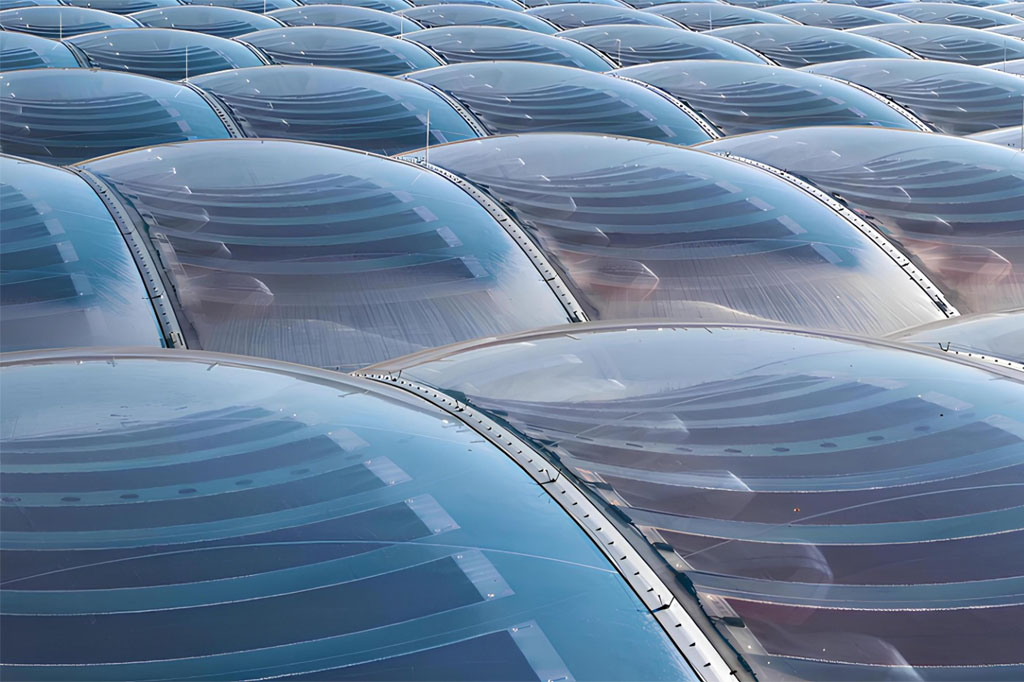
ETFE is increasingly used in:
- Flexible solar panels
- Building-integrated photovoltaics (BIPV)
- Lightweight modules
Its key features include:
- High transparency
- Anti-soiling properties
- Excellent thermal stability
4.4 Advanced Fluoropolymers (FEP, PFA, ECTFE)
These materials are used in specialized applications requiring:
- Higher temperature resistance
- Enhanced chemical durability
- Improved optical performance
5. Advantages Over Conventional Materials
Compared with traditional polymer films (such as PET or non-fluorinated coatings), fluoropolymer films provide superior performance in several critical areas:
Property | Fluoropolymer Films | Conventional PV Films |
UV resistance | Excellent | Moderate to poor |
Weather durability | 25+ years | Often lower |
Moisture barrier | Very low permeability | Higher permeability |
Chemical resistance | Outstanding | Limited |
Maintenance | Low (self-cleaning possible) | Higher |
This performance advantage explains why fluoropolymer-based materials are widely adopted in high-reliability PV modules.
6. Challenges and Limitations
Despite their advantages, fluoropolymer films also present some challenges:
6.1 Cost
Fluoropolymers are generally more expensive than standard polymer films, impacting module cost.
6.2 Processing Complexity
Some fluoropolymer films require specialized processing techniques, including:
- High-temperature lamination
- Surface treatment for adhesion
6.3 Environmental Concerns
There is increasing scrutiny around fluorinated materials due to concerns related to PFAS (per- and polyfluoroalkyl substances), which may influence future regulations.
7. Emerging Trends and Innovations
The role of fluoropolymer films continues to evolve alongside new PV technologies:
7.1 Lightweight and Flexible Modules
Fluoropolymer films are enabling:
- Portable solar panels
- Curved surfaces
- Integration into vehicles and buildings
7.2 High-Efficiency Modules
Advanced fluoropolymer coatings improve:
- Light transmission
- Anti-reflective properties
- Energy yield
7.3 Bifacial Solar Panels
Fluoropolymer films are being optimized for:
- Transparent backsheets
- Enhanced rear-side light capture
7.4 Sustainability Improvements
Manufacturers are developing:
- Lower-impact fluoropolymers
- Recyclable module designs
- Reduced fluorine content materials
8. Future Outlook
As the global solar industry continues to expand, fluoropolymer films will remain a cornerstone material for high-performance PV modules. Their ability to provide long-term protection, maintain efficiency, and support innovative module designs ensures their continued relevance.
Future developments will likely focus on:
- Cost optimization
- Enhanced sustainability
- Integration with next-generation PV technologies (e.g., perovskite solar cells)