
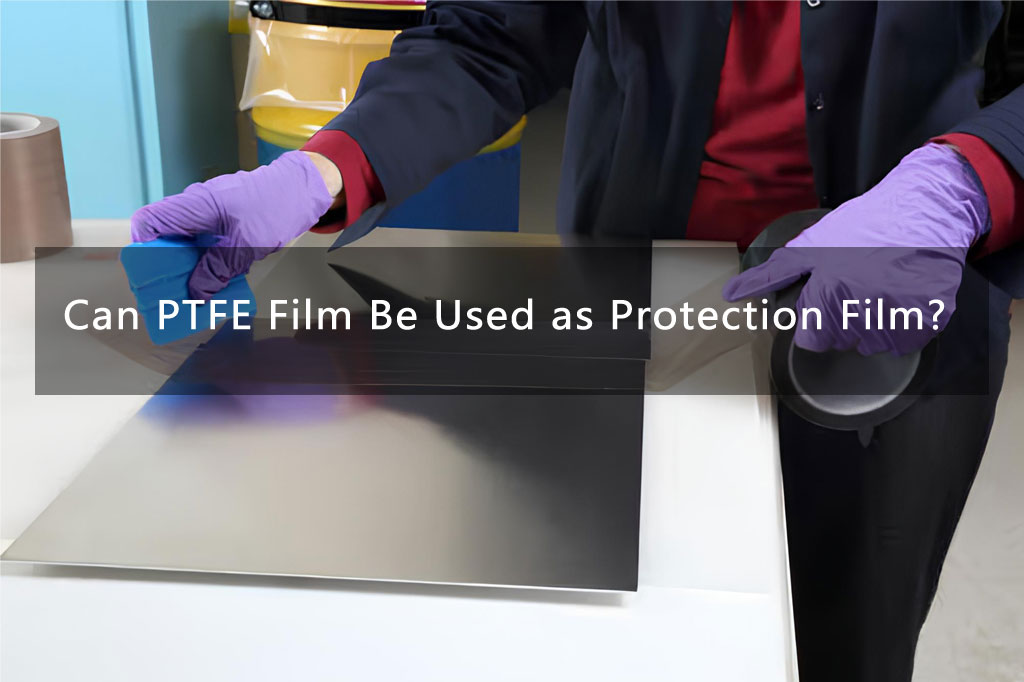
Can PTFE film function effectively as a protection film?
The short answer is: Yes—but only in specific, high-performance scenarios.
This article explores where PTFE film excels as a protective material, where it falls short, and how it compares to conventional protection films such as PE or PET.
1. Understanding PTFE Film
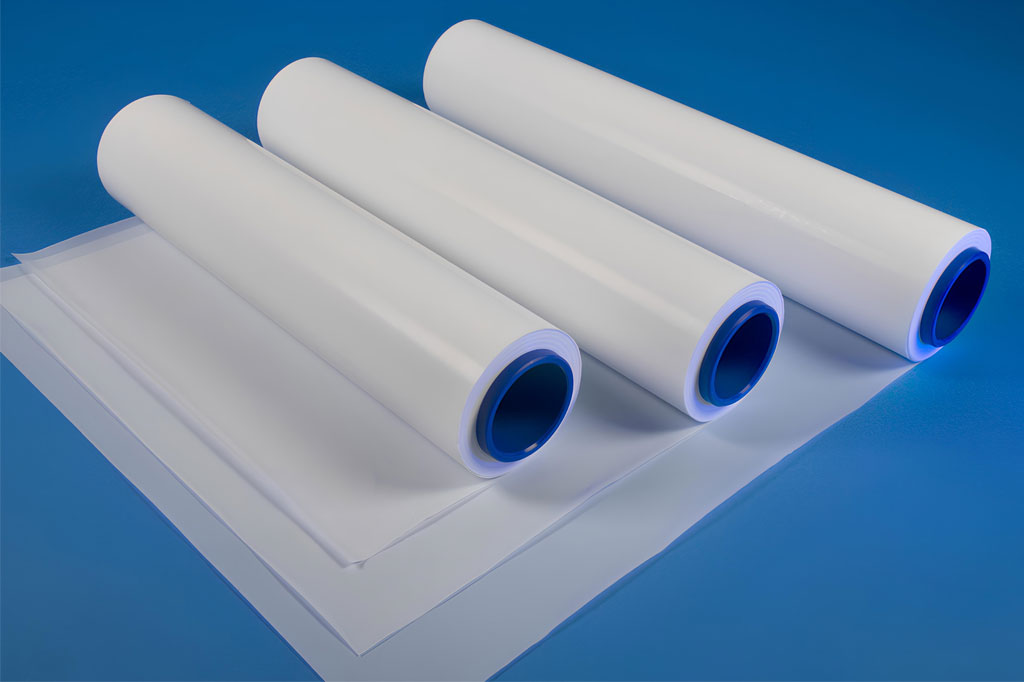
PTFE is a fluoropolymer characterized by a distinctive molecular structure, which imparts exceptional performance properties to its films.
- Non-stick surface (extremely low surface energy)
- High temperature resistance (up to ~260°C)
- Excellent chemical inertness
- Low coefficient of friction (one of the lowest among solids)
- Hydrophobic and weather-resistant behavior
These characteristics make PTFE fundamentally different from common protection film materials like polyethylene (PE) or polypropylene (PP).
2. What Is a Protection Film?
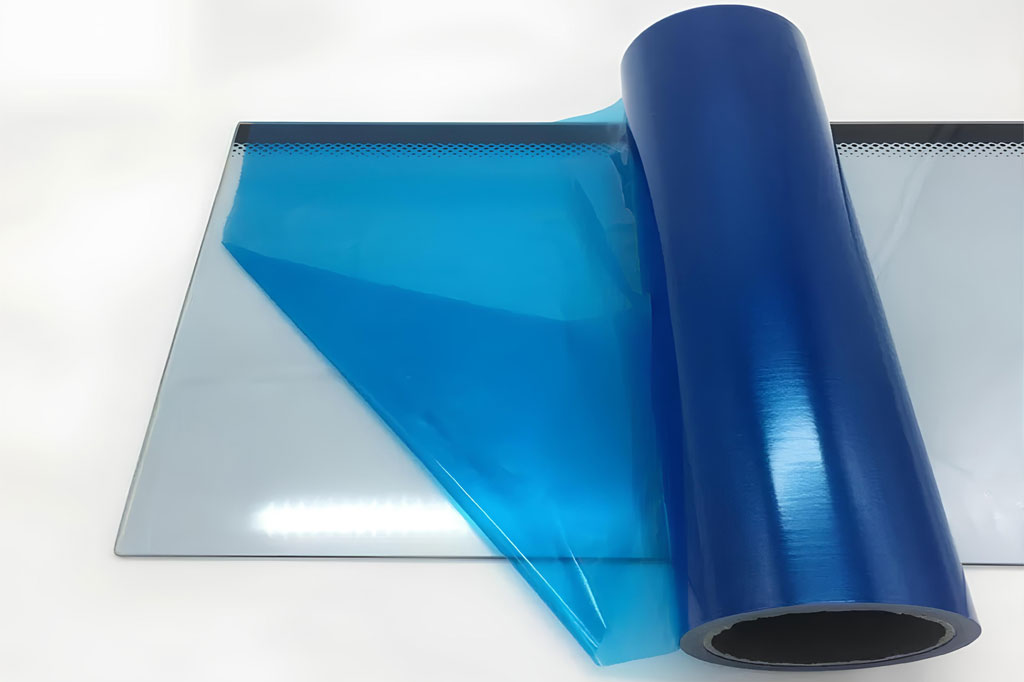
A protective film is typically used to:
- Prevent scratches, dust, or contamination
- Protect surfaces during manufacturing, transport, or installation
- Be easily removable without residue
- Provide temporary surface protection at low cost
Common materials include:
- PE (polyethylene)
- PET (polyester)
- PVC
These materials are optimized for adhesion balance, cost efficiency, and easy peelability—which is where PTFE differs significantly.
3. Advantages of PTFE Film as a Protection Film
3.1 Excellent Non-Stick & Easy Release
One of PTFE’s most valuable properties is its non-stick behavior, meaning very few substances adhere to it.
For protective applications, this translates to:
- No adhesive residue after removal
- Clean surface release
- Reduced contamination risk
This makes PTFE ideal for high-precision surfaces where residue is unacceptable (e.g., electronics, optics).
3.2 Superior Heat Resistance
PTFE can operate in extreme temperatures—from cryogenic conditions to over 260°C.
This enables use in:
- Laser cutting processes
- Heat sealing equipment
- Composite curing environments
In contrast, standard PE protection films may degrade or melt under high heat.
3.3 Outstanding Chemical Resistance
PTFE is chemically inert due to strong carbon–fluorine bonds, making it resistant to acids, solvents, and corrosive chemicals.
Protective advantages:
- Shields surfaces in aggressive chemical environments
- Suitable for chemical processing or plating lines
- Acts as a temporary chemical barrier
3.4 Ultra-Low Friction
PTFE is known for its ultra-low friction coefficient, outperforming most other solid materials.
This helps:
- Reduce abrasion during transport
- Allow smooth sliding in conveyor systems
- Prevent micro-scratches caused by friction
3.5 Electrical Insulation Properties
PTFE offers excellent dielectric performance, making it useful in electronics protection.
Applications:
- Wire and cable protection
- Electronic component masking
- Insulation layers in high-voltage systems
4. Limitations of PTFE as a Protection Film
Despite its advantages, PTFE is not widely used as a general-purpose protection film. Here’s why:
4.1 Poor Adhesion
The inherently low surface energy of PTFE makes adhesive bonding highly challenging.
Result:
- Requires specialized silicone adhesives
- Limited “stickiness” compared to PE films
- Not ideal for temporary surface lamination
4.2 High Cost
PTFE is significantly more expensive than standard film materials.
Impact:
- Not suitable for disposable or large-area protection
- Used only where performance justifies cost
4.3 Processing Difficulty
PTFE is harder to manufacture into thin, uniform films compared to common plastics.
Consequences:
- Limited availability in ultra-thin formats
- Higher production complexity
4.4 Lack of Transparency Options
Most PTFE films are opaque or semi-translucent.
Compared to PET/PE:
- Not ideal when visual inspection is required
5. Typical Protective Applications of PTFE Film
PTFE is rarely used for consumer-grade protection films, but excels in industrial and high-performance niches:
5.1 Heat Sealing & Packaging Equipment
- Protects sealing jaws from sticking
- Prevents molten plastic adhesion
5.2 Composite Manufacturing
- Acts as a release film during curing
- Ensures clean separation of materials
5.3 Conveyor Systems
- Reduces friction and wear
- Protects products from scratches during movement
5.4 Chemical Processing
- Shields surfaces from corrosive chemicals
- Used as masking film
5.5 Electronics & Electrical Protection
- Insulates wires and components
- Prevents abrasion and overheating
6. PTFE vs Traditional Protective Films
Property | PTFE Film | PE/PET Protective Film |
Heat Resistance | Excellent (up to 260°C) | Low–Moderate |
Adhesion | Low (requires special adhesive) | Tunable |
Chemical Resistance | High | Moderate |
Cost | High | Low |
Peelability | Excellent (no residue) | Good |
Typical Use | Industrial, high-temp | General surface protection |
7. When Should You Use PTFE as a Protection Film?
PTFE film is the right choice when:
- High temperature is involved
- Chemical exposure is severe
- Zero residue is critical
- Low friction is required
- Electrical insulation is needed
Examples:
- Laser cutting stainless steel
- High-end electronics manufacturing
- Aerospace composite processing
8. When Should You Avoid PTFE?
Avoid PTFE if:
- You need low-cost, disposable protection
- Strong adhesion is required
- Large surface coverage is needed
- Optical clarity is important
In these cases, PE or PET protection films are better alternatives.
9. Final Words
Yes, PTFE film can be used as a protection film—but it is not a universal solution.
Instead of replacing conventional protection films, PTFE occupies a high-performance niche, where:
- Extreme heat
- Chemical exposure
- Precision surface requirements